
Are you looking for fun ways to keep your child mentally active? Brain games for kids are a fantastic way to enhance memory, concentration, and problem-solving, all while they’re having a blast! These games combine entertainment with education, helping young minds grow stronger through play. Whether it’s a classic puzzle, an interactive app, or a strategic board game, brain games can support your child’s learning journey both at home and in the classroom.
🧠 Why Are Brain Games Important for Kids?
Children’s brains are rapidly developing, and mental stimulation plays a huge role in this growth. As a result, brain games can have a lasting impact.
Here’s why brain games for kids matter:
- Firstly, they strengthen memory and attention
- Secondly, they encourage logical and strategic thinking
- Additionally, they improve language and math skills
- They also boost creativity and confidence
- Finally, they help with academic performance
The best part? Kids often don’t realize they’re learning, it just feels like fun!
🎯 Top Brain Games for Kids (Online + Offline)
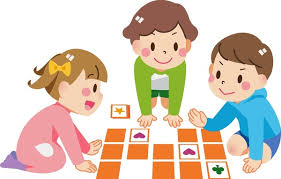
1. Memory Match Cards
A classic! Matching pairs of images improves short-term memory and attention span. In addition, it enhances visual recognition skills.
2. Sudoku for Kids
A simplified version of the popular logic puzzle. Not only does it encourage critical thinking, but it also strengthens number skills.
3. Simon Says
This fun listening game improves focus, memory, and reaction time. Furthermore, it helps children learn to follow instructions carefully.
4. Tangrams
These geometric puzzles develop spatial awareness, logic, and creativity. More importantly, they challenge kids to think outside the box.
5. Chess for Beginners
Perfect for older kids. It builds strategic thinking and patience. On top of that, it promotes foresight and planning.
6. Math Bingo
A mix of fun and numbers. It helps kids improve math fluency in a game format. Therefore, it’s ideal for building strong number sense.
7. Puzzle Apps (Like Thinkrolls or BrainPOP)
Educational apps designed specifically to enhance cognitive skills through gamified learning. Consequently, kids enjoy learning without pressure.
8. Word Scrambles and Crossword Puzzles
These are great for vocabulary, spelling, and language processing. As a bonus, they’re easy to print and use on the go.
9. Story Cubes
Roll the dice and make up a story, perfect for enhancing imagination and storytelling. In fact, it can become a fun group activity.
10. Building Games (Like LEGO or Minecraft Education Edition)
Improve planning, design thinking, and problem-solving skills. What’s more, they also encourage creativity and teamwork.
📱 Best Free Online Brain Games Platforms for Kids
If you’re looking for safe, free, and fun online brain games, try these platforms:
- PBS Kids Games – Safe, educational, and fun
- Cool Math Games – Focused on logic and numbers
- ABCya! – Offers a wide range of games by grade
- National Geographic Kids – Puzzles, quizzes, and brain-teasers with a science twist
🧩 Pro Tip: Always supervise screen time and ensure games are age-appropriate. Also, check for educational value before introducing a new game.
🧒 Age-Appropriate Brain Games
Different ages benefit from different types of brain challenges. Therefore, it’s important to choose wisely.
- Ages 3–5: Shape matching, basic puzzles, color games
- Ages 6–8: Word games, simple math challenges, storytelling
- Ages 9–12: Sudoku, logic puzzles, chess, strategy games
In general, start simple and increase difficulty as your child grows.
🧩 How to Incorporate Brain Games into Daily Routines
Incorporating brain games into daily routines doesn’t have to be hard. Here are a few tips:
- Use them as warm-up activities before homework
- Turn long trips into game time with riddles and word games
- Make game night educational with puzzle-based board games
- Replace passive screen time with interactive brain games
Ultimately, consistency is key, small daily sessions lead to big results.
✅ Conclusion
Investing time in brain games for kids isn’t just about fun, it’s about preparing them for long-term success. Whether it’s a card game, an app, or a creative activity, each one contributes to a child’s mental growth.
So, next time your child wants to play, guide them toward something smart, and brainy!