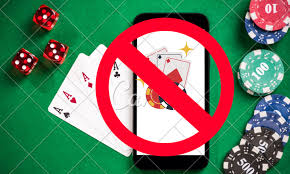


The ban on banned fantasy games in India reshaped the gaming industry overnight. In August 2025, Parliament passed the Promotion and Regulation of Online Gaming Act, 2025, which outlawed all real-money fantasy sports apps. As a result, millions of users lost access to their favorite platforms, while companies like Dream11, MPL, and My11Circle faced immediate disruption.

Why Did India Ban Fantasy Games?
Courts spent years debating whether fantasy sports counted as a game of skill or gambling. Earlier, several High Courts and even the Supreme Court recognized them as legal skill-based contests. However, rising concerns about addiction, fraud, and financial losses convinced lawmakers to act in 2025.
As a result, the law introduced strict measures:
- The Act bans all real-money fantasy games across India.
- Offenders can face 3 years in jail and fines up to ₹1 crore.
- In addition, influencers and promoters who advertise these apps can face heavy penalties.
Impact of the Ban on Fantasy Games in India
The law hit the fantasy sports industry immediately and severely.
- Dream11 ended paid contests and withdrew from its BCCI jersey sponsorship.
- MPL, My11Circle, WinZO, Vision11, Zupee stopped real-money contests to avoid penalties.
- Junglee Games (Flutter-owned) shut down its India operations, cutting 1,100 jobs.
Major Fallout
- India lost nearly ₹20,000 crore in annual tax revenue.
- Startups announced mass layoffs and restructuring.
- Cricket sponsorships suffered a sudden financial gap.
- Meanwhile, many users shifted to unregulated offshore gaming apps.

What’s Next After the Ban?
While the banned fantasy games in India created major losses, the gaming industry still sees opportunities:
- Esports and casual gaming like BGMI, Valorant, and Free Fire MAX remain legal.
- Moreover, companies are moving toward non-RMG casual gaming and community-driven platforms.
- Influencers, instead of promoting fantasy apps, now focus on streaming, esports commentary, and tournaments.
Therefore, although the fantasy sports market collapsed, esports and casual gaming could fuel the next growth wave in India.
State-Wise Legal Status Before 2025
Before the central law, states followed different rules:
- Telangana, Andhra Pradesh, Assam, Odisha – Completely banned fantasy sports.
- Tamil Nadu, Karnataka, Kerala – Attempted bans but faced challenges in court.
- Sikkim, Nagaland – Allowed fantasy gaming through licenses.
- On the other hand, most other states permitted fantasy games as skill-based activities.
Conclusion
The banned fantasy games in India law closed a multi-billion-rupee industry almost overnight. Startups, users, and even cricket organizations felt the shockwave. However, the gaming story does not end here. Instead, the focus is shifting toward esports, casual gaming, and regulated platforms. Consequently, India’s gaming industry will continue to grow, but in a new direction.