


The Labubu controversy is going viral across TikTok, news outlets, and collector groups. This seemingly innocent plush toy is now at the center of global panic, blamed for everything from demonic rumors to counterfeit chaos.
😈 Labubu Controversy or Social Panic? The Demon Toy Rumor Explained
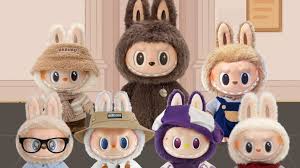
Labubu, a quirky plush toy from Pop Mart, has exploded into a global phenomenon thanks to its wild smile, devilish design, and limited-edition drops. Originally designed by Hong Kong artist Kasing Lung, Labubu is part of the The Monsters series, and was meant to resemble a fantasy forest creature. But what began as an innocent collectible has spiraled into controversy, and confusion.
From demonic rumors to counterfeit scandals, the Labubu controversy is dominating TikTok, Instagram, and even news headlines in 2025.
🌀 Is Labubu a Demonic Toy or Just Misinformation?
One of the most viral questions online right now is: “Is Labubu demonic?”
Rumors began circulating when TikTok users claimed Labubu resembled Pazuzu, a demon from ancient Mesopotamian mythology. AI-generated images showing demonic symbols and creepy overlays only fueled the panic. Some even reported nightmares and emotional disturbances, blaming the toy’s “energy.”
Fact Check: There’s no evidence that Labubu is connected to anything demonic or supernatural. The resemblance to Pazuzu is purely coincidental, and experts have confirmed the toy’s design is rooted in fantasy storytelling.
Still, the internet’s obsession with “Labubu spiritual meaning” refuses to die.
💸 Fake Labubu Toys: How Counterfeits Fueled the Controversy
As the demand for Labubu skyrocketed, fake Labubu plushies—nicknamed “Lafufus”—flooded the market. These knockoffs sell for a fraction of the original price, with no quality control or official licensing.
The controversy peaked when Bollywood actress Ananya Panday openly admitted her Labubu was fake on national television. Instead of backlash, fans praised her honesty, but the confession spotlighted a growing underground market.
Key differences between Fake Labubu vs Original:
| Feature | Original Labubu | Fake/Lafufu |
|---|---|---|
| Price | ₹2,500–₹6,000+ | ₹200–₹500 |
| Packaging | Official Pop Mart box | Generic plastic or none |
| Details | High-quality stitching | Sloppy design, distorted face |
| Scent | Odorless, safe materials | Often has chemical smell |
📈 Why the Labubu Toy Craze Turned Controversial
So, what’s behind the Labubu toy craze?
- Celebrities like Lisa from BLACKPINK and Rihanna have been spotted carrying them.
- Social Media Challenges: TikTokers are “rating” their Labubu’s outfits and reactions.
- Collectors treat rare editions like crypto—prices are shooting up.
But with popularity comes problems:
- Fights broke out at Pop Mart stores in South Korea and Singapore.
- Fake sellers are scamming buyers on live-stream platforms.
- Kids are pressuring parents to buy expensive or cursed-looking dolls.
What started as an adorable collectible has now become a symbol of viral obsession, consumerism, and misinformation.
🧠 The Psychology Behind Labubu’s Popularity
Why are people so obsessed?
- Nostalgia meets horror: Labubu’s creepy-cute vibe taps into Gen Z’s love for quirky contrast.
- Blind Box Marketing: Buying a surprise triggers dopamine release—like gambling.
- FOMO culture: Limited drops make people feel like they’re missing out if they don’t own one.
Pop Mart’s marketing strategy has worked too well. But now, they’re facing backlash for what some call an “emotional manipulation machine.”
⚠️ Pop Mart’s Response to the Labubu Backlash
Pop Mart has addressed several concerns:
- Denied any spiritual or demonic symbolism.
- Warned customers about fake Labubu sellers.
- Filed lawsuits against unauthorized Labubu-themed food and merch stalls.
In a public statement, the company said:
“Labubu is a character rooted in fairy tale mythology—not evil, not cursed. Any resemblance to myths is purely unintentional.”
🧾 Final Thoughts on the Labubu Controversy
The Labubu controversy reveals a deeper truth about our culture today:
- We want meaning in even the strangest things.
- We’re vulnerable to viral myths and TikTok hysteria.
- And we’re caught in a cycle of consuming what’s trendy—even when it gets weird.
So, is Labubu a cute collectible or a cursed object? The answer depends on whether you’re scrolling TikTok… or checking your wallet.


One thought on “Labubu Controversy Explained: From Cute Toy to Demonic Panic and Fake Knockoffs”